
Testosterone propionate and hair: the risk of androgenetic alopecia
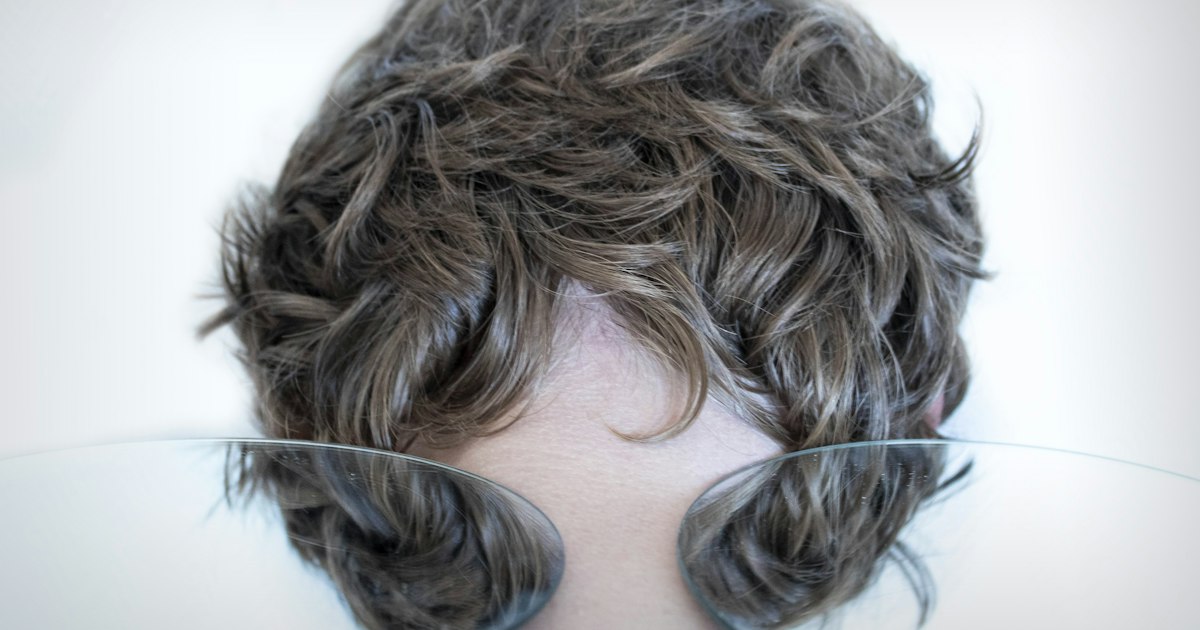
Androgenetic alopecia is a genetically determined process that an excess of testosterone does not create from scratch but can substantially accelerate. This is precisely why some androgen users notice a receding hairline within a few months, while others do not. Our editors explain how testosterone propionate affects hair, who is in the risk zone and what modern dermatology does about it.
How androgens control hair growth
The effect of androgens on hair is paradoxical: the same hormones stimulate hair growth on the face, chest and body but suppress it on the crown and in the frontal area in genetically predisposed people. The reason is the different reaction of follicles in different zones of the skin.
The key hormone here is dihydrotestosterone (DHT), which is formed from testosterone under the action of 5α-reductase. In scalp follicles the type 2 isoenzyme predominates. In predisposed follicles DHT gradually shortens the active growth phase of hair (anagen) and reduces the size of the follicle — this process is called miniaturization.
With each cycle the hair becomes thinner, shorter and lighter, until thick terminal hair turns into barely noticeable vellus down. The follicle is preserved for a long time in the process, which gives a chance of partial recovery with timely treatment.
As early as 1942 Hamilton showed that men who did not go through puberty due to early loss of the testes do not go bald in the male pattern, and administering testosterone triggered baldness in those who had a hereditary predisposition. This classic observation still underlies the understanding of the disease.
Testosterone propionate, after the ester is cleaved, works like ordinary testosterone and is likewise converted into DHT. So in terms of its effect on hair it does not fundamentally differ from other testosterone esters.
The genetics of baldness
Androgenetic alopecia is a polygenic trait: predisposition to it is determined not by a single gene but by many genetic variants. The best known of them is located in the androgen receptor gene on the X chromosome. Ellis and colleagues (2001) showed an association of a polymorphism of this gene with male-pattern baldness.
Since a man receives the X chromosome from his mother, part of the risk can indeed be “inherited” through the maternal line. However, modern studies have also found numerous variants on other chromosomes, so heredity through the paternal line is just as important.
In practice the best guide remains family history. If the father, grandfather or brothers began to go bald early, the probability that the follicles are sensitive to DHT is high. It is precisely in such people that an excess of androgens most often manifests as accelerated hair loss.
The progression of baldness in men is assessed by the Hamilton–Norwood scale — from a slight recession of the hairline at the temples to complete loss of hair on the crown and vertex. Recording the stage and photos help to objectively assess whether the process has accelerated.

Excess testosterone and acceleration of the process
At supraphysiological levels of testosterone the amount of DHT formed in tissues also increases. In predisposed people this can noticeably accelerate follicle miniaturization: changes that usually develop over years can become noticeable much faster.
A scientific review by the Endocrine Society (Pope et al., 2014) mentions baldness among the dermatological adverse effects of androgens, alongside acne, and androgen users in studies and surveys regularly report increased hair loss. At the same time the degree of hair loss varies greatly between people.
Hair lost as a result of androgenetic alopecia usually does not regrow on its own after the drugs are discontinued. Discontinuation may slow further progression, returning the pace of the process to the natural one, but already miniaturized follicles require treatment.
Some synthetic androgens have higher androgenic activity in the skin than testosterone and are considered even more aggressive toward hair. However, testosterone itself, in particular in the form of propionate, is a sufficient risk factor for predisposed people.
Body hair growth and other changes
The opposite effect of androgens is increased body hair growth. Follicles on the chest, back, shoulders and face respond to DHT by enlarging and converting vellus hair into terminal hair. For many men this is a cosmetic problem that appears together with hair loss on the head.
In women an excess of androgens causes hirsutism — male-pattern hair growth on the face, chin, chest and abdomen. This is one of the manifestations of virilization, alongside deepening of the voice and disruption of the menstrual cycle. Some of these changes are irreversible.
| Zone | Follicle response to androgens | Manifestation |
|---|---|---|
| Crown, forehead, vertex | Miniaturization in predisposed people | Receding hairline, thinning |
| Occiput, lateral areas | Relatively insensitive | Usually preserved — donor zone |
| Face, chest, back | Growth stimulation | Thicker beard, body hair |
| In women — face, body | Growth stimulation | Hirsutism |
Another change often associated with androgens is increased oiliness of the scalp and seborrheic dermatitis. They do not cause baldness directly but increase discomfort and itching.
Diagnosis and treatment
A diagnosis of androgenetic alopecia is usually made by a dermatologist or trichologist based on examination, family history and trichoscopy — examination of the scalp under magnification, which shows the varying diameter of the hairs. If needed, other causes are ruled out: iron deficiency, thyroid pathology, telogen effluvium after stress.
The treatment methods with the best evidence base are described in the review by Kelly, Blanco and Tosti (2016). For men these are topical minoxidil and oral finasteride — a type 2 5α-reductase inhibitor that lowers the level of DHT. Both agents slow progression, and in some patients give partial recovery.
- Topical minoxidil:prolongs the growth phase; the effect is assessed no earlier than after a few months.
- Finasteride:a prescription drug; lowers DHT; can affect libido and erectile function and lowers the PSA level, which the doctor takes into account during prostate screening.
- Hair transplantation:transplantation of follicles from the occipital zone; the result depends on the stability of the process.
- Low-level laser therapy, plasma therapy:data are limited, efficacy is lower.
It is important that treatment works only for as long as it continues. After minoxidil or finasteride is stopped, the process gradually returns to the initial pace. The decision about treatment and the choice of drugs are made together with a doctor, taking into account possible side effects.
Editorial conclusions
Androgenetic alopecia is determined by the genetic sensitivity of follicles to DHT; testosterone propionate does not create the predisposition but can significantly accelerate the process in those who have it.
At the same time androgens increase body hair growth, and in women cause hirsutism, which is partly irreversible.
Hair lost after discontinuation does not recover on its own, but there are evidence-based treatment methods that work best at early stages.
We also recommend reading our materials on testosterone propionate and the skin, on its effect on the prostate and on the metabolites of testosterone cypionate.
References
- Hamilton JB. Male hormone stimulation is prerequisite and an incitant in common baldness. Am J Anat. 1942;71(3):451–480.
- Ellis JA, Stebbing M, Harrap SB. Polymorphism of the androgen receptor gene is associated with male pattern baldness. J Invest Dermatol. 2001;116(3):452–455.
- Kelly Y, Blanco A, Tosti A. Androgenetic alopecia: an update of treatment options. Drugs. 2016;76(14):1349–1364.
- Pope HG Jr, Wood RI, Rogol A, et al. Adverse health consequences of performance-enhancing drugs: an Endocrine Society scientific statement. Endocr Rev. 2014;35(3):341–375.
- Merck & Co. Propecia (finasteride) tablets — Prescribing Information. U.S. Food and Drug Administration.
- Kicman AT. Pharmacology of anabolic steroids. Br J Pharmacol. 2008;154(3):502–521.
Andriy Melnyk
A strength-sports coach and author of programs for beginner and intermediate levels. Writes about training planning.